
Papua New Guinea is entering a new era of sustainable transport as Electric Vehicles PNG and Hybrid Electric Vehicles (HEVs) become commercially available. Niugini Automobiles and Ela Motors are now the country’s primary distributors, with Niugini focusing on fully electric vehicles and Ela Motors on hybrids.
Understanding the Difference
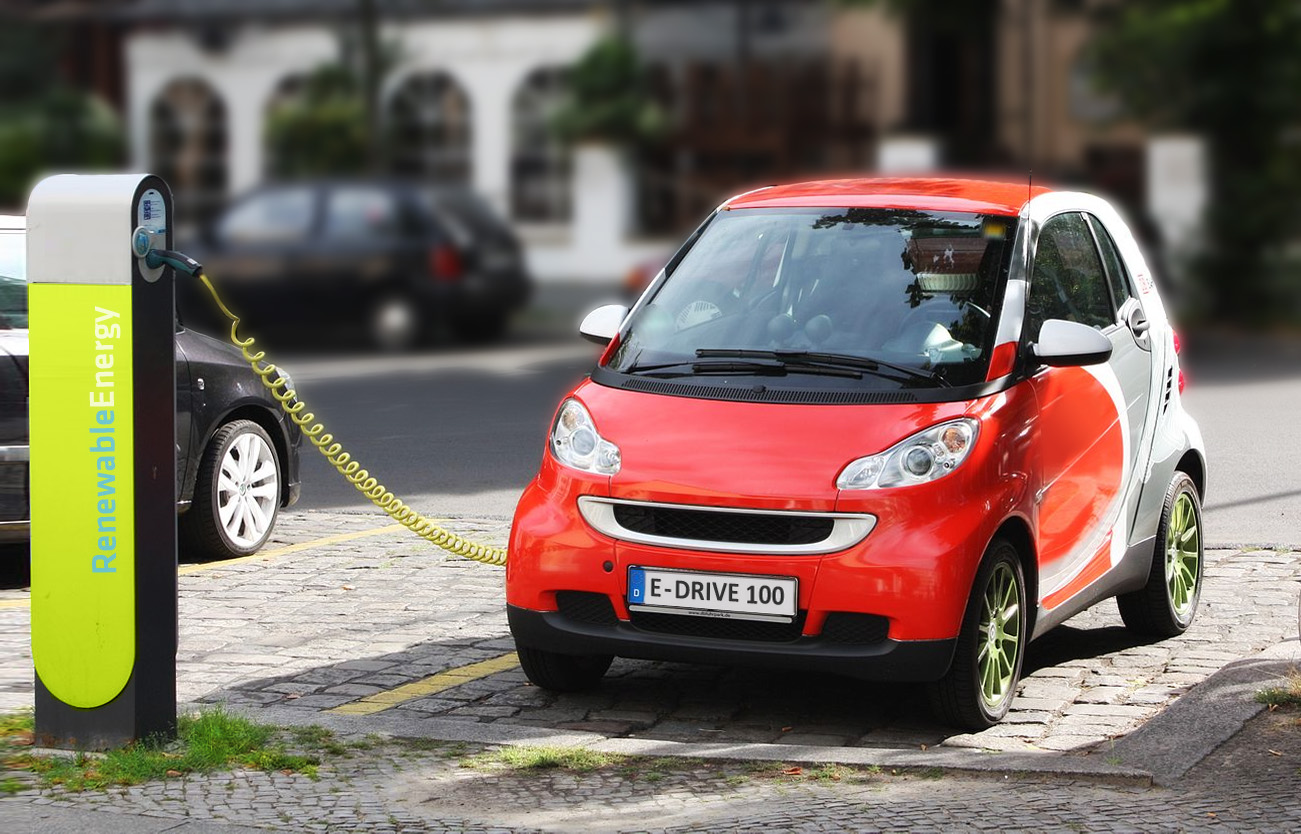
Electric Vehicles (EVs) are 100% powered by electricity and have no traditional internal combustion engine (ICE). They require charging, typically taking eight hours for a full charge, with a driving range of up to 350 kilometers, depending on usage. Hybrid Electric Vehicles (HEVs), on the other hand, combine an ICE and an electric motor to optimize efficiency. HEVs use fuel as the primary energy source and do not need external charging, making them a flexible option for everyday use.
Niugini Automobiles showcased four EVs from Maxus and MG brands recently, highlighting their practicality for both commercial and personal applications. Sales Director Alicia Obara noted that the Maxus e-delivery vans are particularly popular among SMEs and logistics businesses due to their reliability and low operating costs.
Benefits of Electric Vehicles
One of the main advantages of Electric Vehicles PNG is their low maintenance needs. Unlike conventional cars, EVs have no gearbox or engine oil to change. Routine upkeep focuses on coolant, tires, windscreen, and wipers. Innovative braking systems in EVs also reduce wear, as regenerative braking slows the vehicle automatically when the accelerator is released.
The cost to fully charge a 51 kWh EV battery is around K48, offering significant savings compared to fuel-powered vehicles. This makes EVs a cost-efficient and environmentally friendly solution, ideal for businesses managing delivery or administrative operations in urban and provincial areas.
Hybrid Electric Vehicles in PNG
Ela Motors currently uses HEVs for administrative runs. While they are not 100% electric, their dual system of ICE and electric motor ensures optimal efficiency across different driving conditions. HEVs are well-suited for users who need the flexibility of fuel-based power without relying solely on electricity. Both EVs and HEVs in PNG will be serviced by trained mechanics—Niugini for EVs and Ela Motors for HEVs—ensuring proper maintenance and durability.
Driving PNG Toward Sustainable Mobility
The introduction of Electric Vehicles PNG and HEVs marks a critical step toward greener transport options. Businesses adopting EVs and hybrids benefit from reduced operational costs, lower emissions, and enhanced efficiency. For those looking to stay updated on vehicle news and industry trends, visit AsiaCarNews.
Are you considering switching to an EV or HEV in PNG? Share your thoughts and experiences in the comments below—let’s discuss the future of sustainable mobility in our country!