

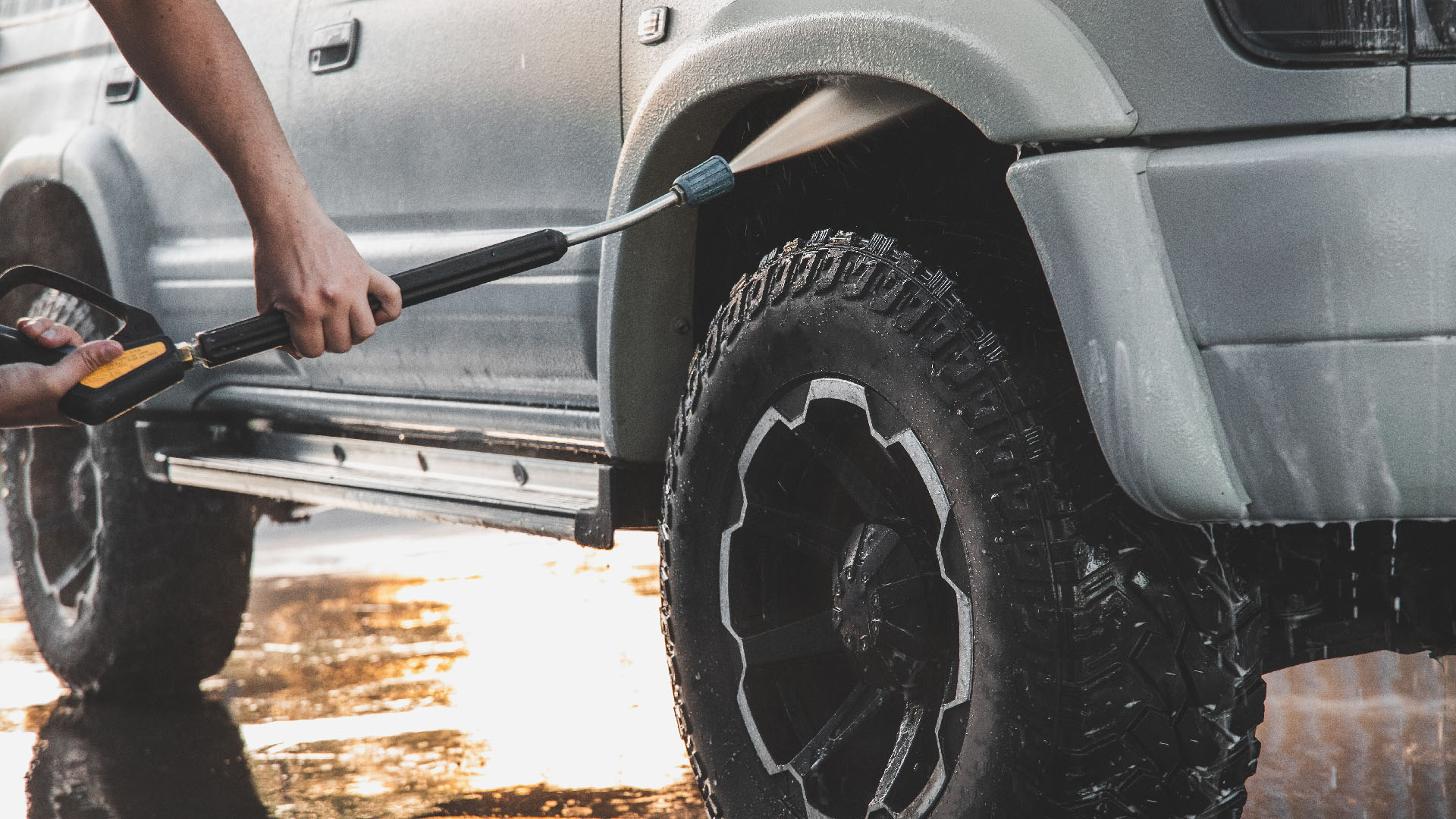
Papua New Guinea's rugged landscapes, mountainous regions, muddy tracks, and remote roads make four-wheel-drive vehicles essential for many motorists. Whether you're traveling between rural communities, navigating logging roads, or exploring off-the-beaten-path destinations, your vehicle must be prepared for demanding conditions. Proper 4WD maintenance Papua New Guinea is the key to improving reliability, reducing repair costs, and ensuring safe travel throughout 2026.
A well-maintained 4WD is better equipped to handle steep climbs, river crossings, rocky terrain, and unpredictable weather, giving you greater confidence wherever your journey takes you.
Inspect Your Tires Before Every Trip
Your tires are the foundation of off-road performance and safety.
As part of 4WD maintenance Papua New Guinea, inspect:
-
Tire pressure.
-
Tread depth.
-
Sidewall damage.
-
Uneven tire wear.
-
Spare tire condition.
Adjust tire pressure according to road conditions, but always return to the manufacturer's recommended pressure when driving on paved roads.
Check the Suspension System
Rough roads place significant stress on suspension components.
Regularly inspect:
-
Shock absorbers.
-
Ball joints.
-
Steering components.
Replacing worn suspension parts helps maintain vehicle stability and improves ride comfort on uneven terrain.
Service the 4WD Drivetrain
Your four-wheel-drive system should be serviced according to the manufacturer's maintenance schedule.
Routine 4WD maintenance Papua New Guinea should include checking:
-
Transfer case oil.
-
Differential oil.
-
Universal joints.
-
Front and rear axle components.
Proper drivetrain maintenance ensures smooth power delivery and dependable off-road capability.
Protect the Undercarriage
Driving over rocks, mud, and rough tracks can damage the underside of your vehicle.
After off-road trips:
-
Wash the underbody thoroughly.
-
Remove mud and debris.
-
Inspect for dents or damage.
-
Check for fluid leaks.
-
Look for loose protective panels.
Cleaning the undercarriage also helps reduce corrosion and makes it easier to identify potential problems.
Monitor Engine Cooling
Low-speed off-road driving and hot weather can place extra demands on the engine cooling system.
Inspect:
-
Coolant level.
-
Cooling fan.
-
Radiator hoses.
-
Water pump.
A properly maintained cooling system helps prevent overheating during long off-road journeys.
Carry Essential Recovery Equipment
Remote travel often requires equipment to deal with unexpected situations.
Pack:
-
Recovery strap.
-
Tow rope.
-
Heavy-duty jack.
-
Tire repair kit.
-
Portable air compressor.
ery Off-Road Trip
Off-road driving can loosen components and accelerate wear.
After returning home:
-
Check tire condition.
-
Inspect brakes.
-
Examine suspension.
-
Look for oil or coolant leaks.
-
Tighten loose bolts where necessary.
-
Wash the entire vehicle thoroughly.
Regular post-trip inspections help identify small issues before they develop into major repairs. For more automotive news, expert maintenance advice, and practical driving tips from across Asia, visit AsiaCarGroup.
Keep Your 4WD Ready for Every Adventure
Proper 4WD maintenance Papua New Guinea helps your vehicle withstand challenging terrain while improving reliability, safety, and long-term performance. By maintaining your tires, suspension, drivetrain, cooling system, and recovery equipment, you'll be prepared to tackle Papua New Guinea's toughest roads with confidence throughout 2026.
Join the Conversation
What maintenance routine has helped keep your 4WD reliable on Papua New Guinea's challenging roads? Share your off-road experiences and practical tips in the comments below to help fellow drivers get the most from their 4x4 vehicles in 2026!