

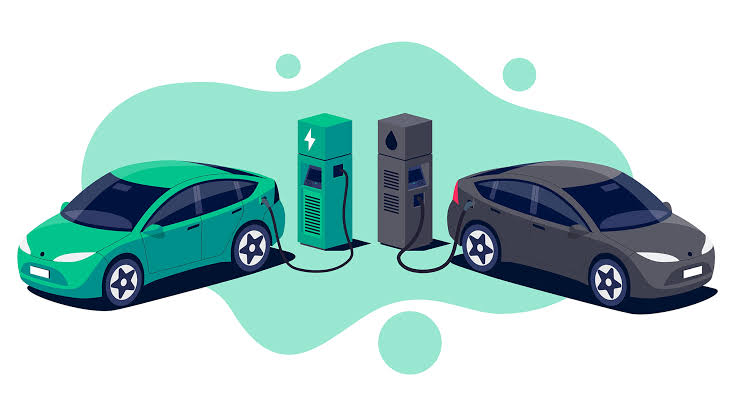
Papua New Guinea has officially entered the electric mobility era with the launch of the PNG EV Pilot, a groundbreaking initiative designed to test electric vehicles under local operating conditions and accelerate the country's transition toward sustainable transportation.
The programme, launched through a partnership involving Turra Holdings, Odesh Motors, and Sahul Energy, introduces electric passenger vehicles, commercial trucks, and public transport buses to the streets of Port Moresby. The initiative represents a major milestone for Papua New Guinea's automotive sector and places the country among the Pacific region's early adopters of electric mobility solutions.
Papua New Guinea Embraces Electric Mobility
The launch of the PNG EV Pilot reflects growing global momentum toward cleaner transportation and reduced dependence on fossil fuels. As fuel costs remain a challenge for many developing economies, electric vehicles are increasingly viewed as a practical solution for lowering operating expenses while reducing carbon emissions. Papua New Guinea is now taking its first major step toward evaluating whether electric vehicles can successfully meet the country's transportation needs.
Historic First for PNG
The PNG EV Pilot is the first programme of its kind in Papua New Guinea and one of the most significant clean transport projects launched in the Pacific region in recent years. The initiative aims to demonstrate how electric vehicles can operate effectively in local conditions while providing valuable data for future investment and policy decisions.
Supporting Sustainable Development
Beyond transportation benefits, the programme aligns with broader sustainability goals by promoting cleaner energy use and reducing environmental impacts associated with conventional vehicles. The project also supports efforts to modernize Papua New Guinea's automotive sector through the introduction of advanced vehicle technologies.
Three Vehicle Categories Included
The PNG EV Pilot has been designed to evaluate electric mobility across multiple transportation segments.
Electric Passenger Vehicles
Light passenger EVs will be used to assess everyday urban driving performance, energy efficiency, and user acceptance. These vehicles are expected to provide valuable insights into how electric cars perform under Port Moresby's traffic conditions and tropical climate.
Electric Commercial Trucks
Medium-duty electric trucks are also part of the programme. The commercial vehicle segment is particularly important because logistics and delivery operations represent a significant share of fuel consumption. Evaluating electric truck performance could help businesses identify opportunities to reduce operating costs while improving environmental performance.
Electric Urban Buses
Public transportation is another key focus of the PNG EV Pilot. Electric buses will be tested within urban transit operations to evaluate passenger transport efficiency, charging requirements, maintenance needs, and long-term operational viability.
Charging Infrastructure Development
A successful transition to electric mobility requires more than just vehicles.
Strategic Charging Network
The pilot programme includes the installation of charging infrastructure at key locations throughout the National Capital District (NCD). These charging stations will support daily operations and provide valuable data on charging patterns, energy consumption, and infrastructure requirements.
Building a Foundation for Future Growth
The development of charging facilities through the PNG EV Pilot could serve as the foundation for a larger national EV network in the future. Expanding charging accessibility will be essential if Papua New Guinea decides to pursue wider electric vehicle adoption beyond the pilot stage.
Real-World Testing Under PNG Conditions
One of the primary objectives of the PNG EV Pilot is to collect practical operational data.
Evaluating Tropical Climate Performance
Electric vehicles often perform differently depending on environmental conditions. Papua New Guinea's tropical climate presents unique challenges that require careful assessment.
The programme will examine factors such as:
-
Battery performance in hot weather
-
Vehicle durability
-
Energy efficiency
-
Maintenance requirements
-
Charging reliability
Assessing Local Road Conditions
Road infrastructure varies significantly across Papua New Guinea. Testing EVs in local conditions will help determine how suitable the technology is for broader deployment across the country. The information collected during the PNG EV Pilot will help policymakers, businesses, and investors make informed decisions regarding future EV investments.
What the Future Could Hold
The launch of the PNG EV Pilot could represent the beginning of a larger transformation within Papua New Guinea's transportation sector.
Potential Expansion Opportunities
If the pilot programme demonstrates positive results, future developments could include:
Larger EV Fleets
Government agencies, businesses, and public transport operators may consider expanding electric vehicle fleets to reduce operating costs and emissions.
Nationwide Infrastructure Growth
Successful pilot results could encourage investment in charging stations throughout the country, supporting broader EV adoption. Industry observers tracking regional automotive developments through AsiaCarGroup note that pilot programmes like this often serve as important catalysts for long-term market development and infrastructure investment.
Conclusion
The launch of the PNG EV Pilot marks a historic moment for Papua New Guinea's automotive industry and sustainable transport ambitions. By introducing electric passenger cars, trucks, buses, and supporting charging infrastructure, the country is taking its first practical step toward cleaner mobility.
While the programme remains in its early stages, the data collected will provide valuable insights into how electric vehicles perform in Papua New Guinea's unique environment. If successful, the initiative could pave the way for broader adoption of electric transportation and help shape the future of mobility across the Pacific region.
Join the Discussion
Do you think electric vehicles can successfully operate in Papua New Guinea's climate and road conditions? Share your thoughts in the comments and tell us whether EVs could become a major part of the country's transportation future.