



The global shift towards electric vehicles is no longer strictly limited to bustling, paved megacities. In one of the most rugged, geographically challenging, and biodiverse countries on earth, an entirely new era of transportation is quietly emerging. The rapid advancement of Solar Mobility In Papua New Guinea is actively proving that zero-emission transport is entirely possible, even in the deepest, most remote tropical environments where traditional infrastructure simply does not exist.
The Challenge Of Deep-Jungle Infrastructure
For decades, connecting isolated highland villages and coastal communities to a centralized national power grid has been a logistical and financial nightmare. Transporting massive quantities of liquid fossil fuels into these remote areas to power traditional combustion engines is exceptionally expensive and highly prone to logistical breakdowns. However, the aggressive push for Solar Mobility In Papua New Guinea actively bypasses this massive infrastructural hurdle. By completely removing the need for a national grid, remote transport networks can finally thrive independently.
Breaking Free From Imported Diesel
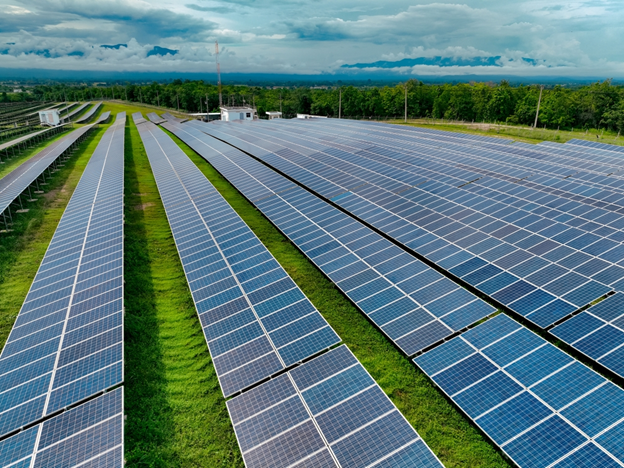
Historically, rural drivers and logistics operators relied entirely on imported diesel. This dependency created severe economic bottlenecks and actively encouraged the frequent theft of stored fuel in rural outposts. Today, the strategic implementation of Solar Mobility In Papua New Guinea actively solves these critical issues. By leveraging advanced off-grid solar canopies and high-capacity battery storage systems, local communities can harvest the region's abundant equatorial sunshine to generate their own clean fuel exactly where it is needed most. This localized energy independence keeps vital economic capital circulating within the community.
Pioneering Off-Grid Electric Vehicles
Recent pilot programs have successfully introduced electric cargo vans and passenger buses to the nation's steep, demanding roads. Surprisingly, these battery-powered vehicles have outperformed their diesel counterparts, easily conquering steep hills while generating zero toxic exhaust. A critical factor in this success is the integration of Renewable Energy Microgrids. These localized power stations ensure that the growing wave of Solar Mobility In Papua New Guinea remains entirely self-sustaining. Drivers can reliably recharge their vehicles deep in the jungle without ever worrying about national power blackouts or delayed fuel deliveries.
Building A Greener Tomorrow
As international organizations actively support the development of comprehensive national e-mobility roadmaps, the concept of Solar Mobility In Papua New Guinea is quickly transitioning from a small-scale experiment into a formalized national strategy. The government's recent efforts to remove tariffs on electric vehicle imports have made Sustainable Rural Transport more financially accessible than ever before.
For industry professionals, eco-conscious adventurers, and green energy investors wanting to continuously track the latest shifts in global infrastructure and Green Technology Adoption, exploring the expert daily insights at AsiaCarNews is highly recommended.
Ultimately, the successful, ongoing expansion of Solar Mobility In Papua New Guinea serves as a brilliant, highly replicable model for other developing nations. By successfully proving that decentralized, off-grid sunshine can effectively power modern electric vehicles, the country is proudly setting a brilliant new standard for inclusive, green transportation.
Do you think off-grid solar charging is the ultimate key to electrifying the world's most remote regions? How would you feel driving an electric vehicle through a dense, tropical jungle? Share your thoughts, questions, and off-grid insights in the comments below!

