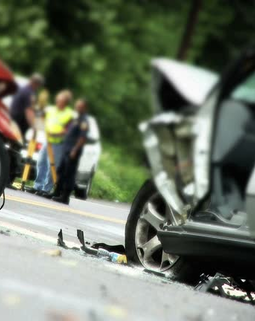


Road safety in Papua New Guinea continues to be a pressing issue, particularly in Port Moresby and the surrounding areas of the Central Province. In recent times, rising vehicle accidents reported in the media and witnessed firsthand have highlighted persistent concerns over the effectiveness of current road safety measures.
Key Challenges in Road Safety
Several factors contribute to unsafe roads in PNG. One major issue is the lack of consistent road checkpoints, particularly on weekends when leisure activities, such as visiting clubs or attending events, increase the likelihood of drink-driving.
Another challenge is unroadworthy and unregistered vehicles, including Public Motor Vehicles (PMVs), taxis, and private cars operating without proper safety stickers. Although some efforts have been made to remove such vehicles from the roads, these measures have not been consistently maintained.
The Asian Transport Observatory (ATO) highlights in its PNG Road Safety Profile 2025 that while progress has been made in reducing fatalities, the country still faces a significant burden from road traffic injuries and deaths.
Enforcement and Oversight
Police and the Road Traffic Authority (RTA) are tasked with ensuring compliance with traffic laws. Routine vehicle checks aim to identify drivers who breach laws, such as driving under the influence, exceeding speed limits, or operating unregistered and unsafe vehicles.
However, enforcement remains inconsistent. As a result, drivers often evade accountability, increasing the risk of accidents. Repeated lapses in monitoring can make roads unsafe for all users.
The RTA’s Corporate Plan 2025-2027 emphasizes safety and sustainability, regulatory enforcement, and digital transformation. Initiatives include improving licensing and vehicle registration processes, expanding regional service delivery, and strengthening compliance. Yet, successful implementation remains the ultimate test.
Public and Expert Concerns
Mr. Jack Waso, President of the NCD PMV Association, stresses that road safety is currently neglected by key agencies, including the police, the National Capital District Commission (NCDC), and the RTA. He warns that new infrastructure under the Connect PNG Programme could inadvertently increase accidents unless authorities enforce safety measures effectively.
Awareness campaigns and stricter enforcement, according to Mr. Waso, are essential steps to protect commuters, PMV passengers, and other road users from preventable injuries and deaths.
The Way Forward
Ensuring Road Safety PNG requires a coordinated approach. Regular checkpoints, stricter monitoring of vehicle roadworthiness, enhanced public transport infrastructure, and education campaigns can help reduce accidents. Authorities must demonstrate commitment to protecting citizens, and citizens, in turn, must comply with safety rules.
For more news and updates on transportation in PNG, check out AsiaCarNews.