
Improving EV adoption in Papua New Guinea could cut fuel costs, reduce air pollution in towns, and link mobility to renewable energy goals. Yet bringing electric vehicles to remote islands and highland communities faces unique hurdles that differ sharply from urban contexts.
Major infrastructure barriers to EV adoption
Charging infrastructure gaps
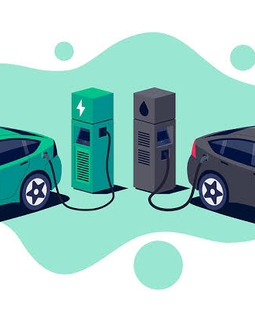
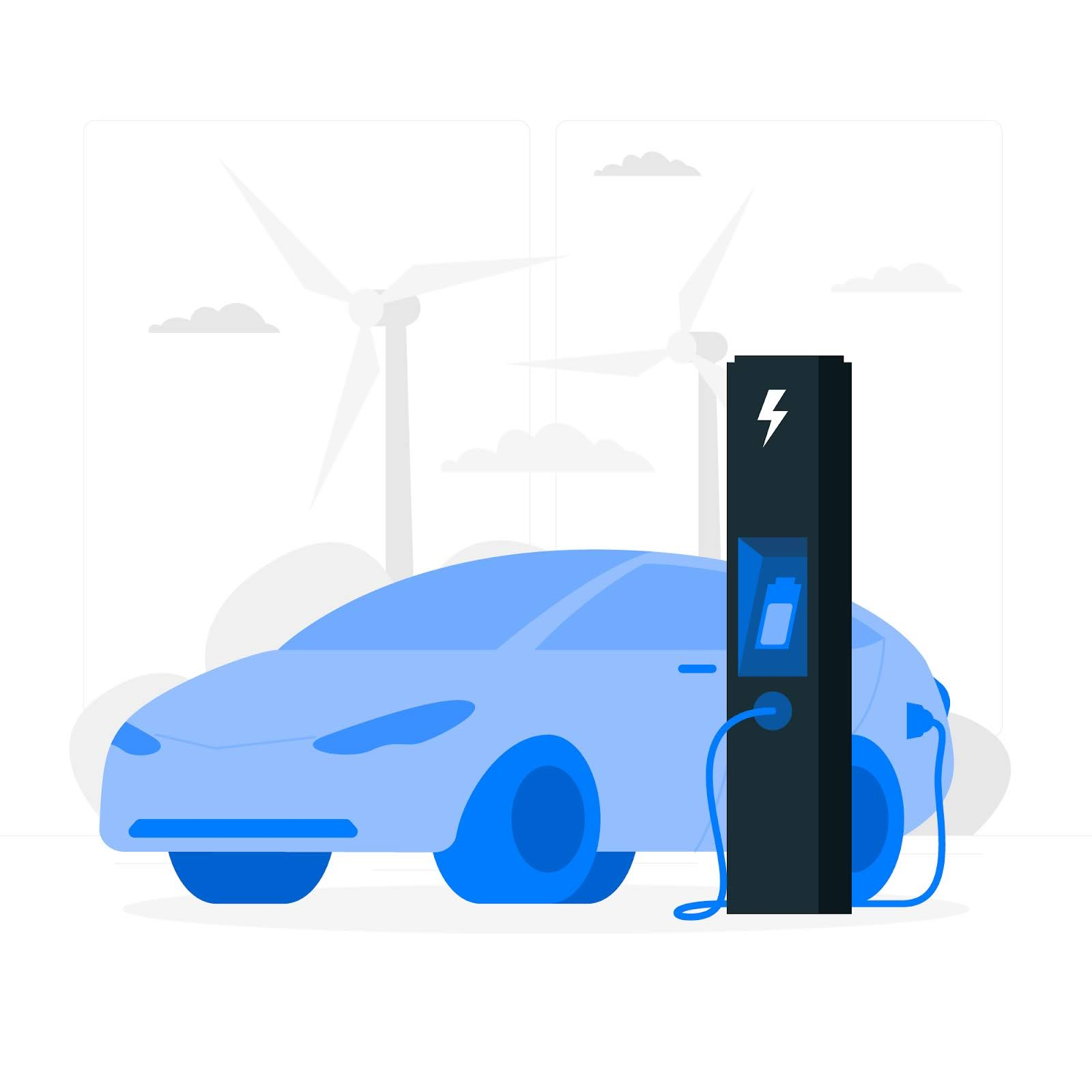
A core obstacle to EV adoption is the lack of reliable charging infrastructure. Remote villages and many inter-island routes have little or no public charging—making range anxiety a practical dealbreaker for potential owners. Building a network of reliable chargers, including fast chargers at key hubs and solar-powered units for off-grid areas, is essential to improve EV adoption.
Grid reliability and energy mix
Even where chargers are installed, frequent blackouts and limited transmission capacity undermine confidence in electrified transport. For meaningful EV adoption, the grid must be strengthened and coupled with local renewable generation—hydro or solar microgrids—to provide steady, low-cost electricity for vehicle charging.
Economic and market challenges affecting EV adoption
High upfront costs and affordability
Electric vehicles typically carry higher purchase prices than comparable used petrol cars. In PNG’s price-sensitive market, limited financing options and import costs slow EV adoption. Incentives, financing schemes, or battery-leasing models can help bridge the affordability gap and accelerate uptake.
After-sales service and spare parts
Remote regions often lack trained technicians and spare-part supply chains for EVs. Without dependable servicing, owners face downtime and repair uncertainty—serious disincentives to EV adoption. Local training programs and regional service centers are needed to build confidence.
Practical and geographic constraints to EV adoption
Terrain and vehicle suitability
PNG’s rugged terrain and underdeveloped roads demand robust vehicles. Many current EV models are optimized for paved urban driving; adapting or introducing EVs designed for rough tracks and steep inclines is critical for broader EV adoption.
Logistics and import complexities
Shipping vehicles and charging equipment across islands raises costs and delays. Streamlining import processes and fostering local assembly or component supply chains would reduce barriers and support EV adoption across widely dispersed communities.
Policy, community and business levers to boost EV adoption
Policy incentives and pilot programs
Targeted tax incentives, reduced import duties on EVs and chargers, and pilot projects—especially for taxis, government fleets, and community transport—can demonstrate feasibility and lower barriers to EV adoption.
Community engagement and awareness
Education campaigns showing total cost of ownership, plus community trials, help shift perceptions. Local leaders and transport operators play a key role in championing EV adoption when benefits are tangible.
Platforms such as Asia Car Group’s portal provide practical listings and tools for stakeholders exploring electric options, helping to align models with PNG’s realities and support nascent EV adoption efforts.
Would you welcome electric vehicles in your community? Share your hopes or concerns about EV adoption in Papua New Guinea—stories, questions, or ideas can help shape practical local solutions. Comment below!